 HH Krishna Kshetra Swami
1,3 тис. підписників
·
1,3 тис. відео
HH Krishna Kshetra Swami
1,3 тис. підписників
·
1,3 тис. відео
- 1:29:45
- 46
- 2
- 0
- 18.03.2026
Опис
*Nectar of Instruction: Loving Exchanges and Proper Respect*
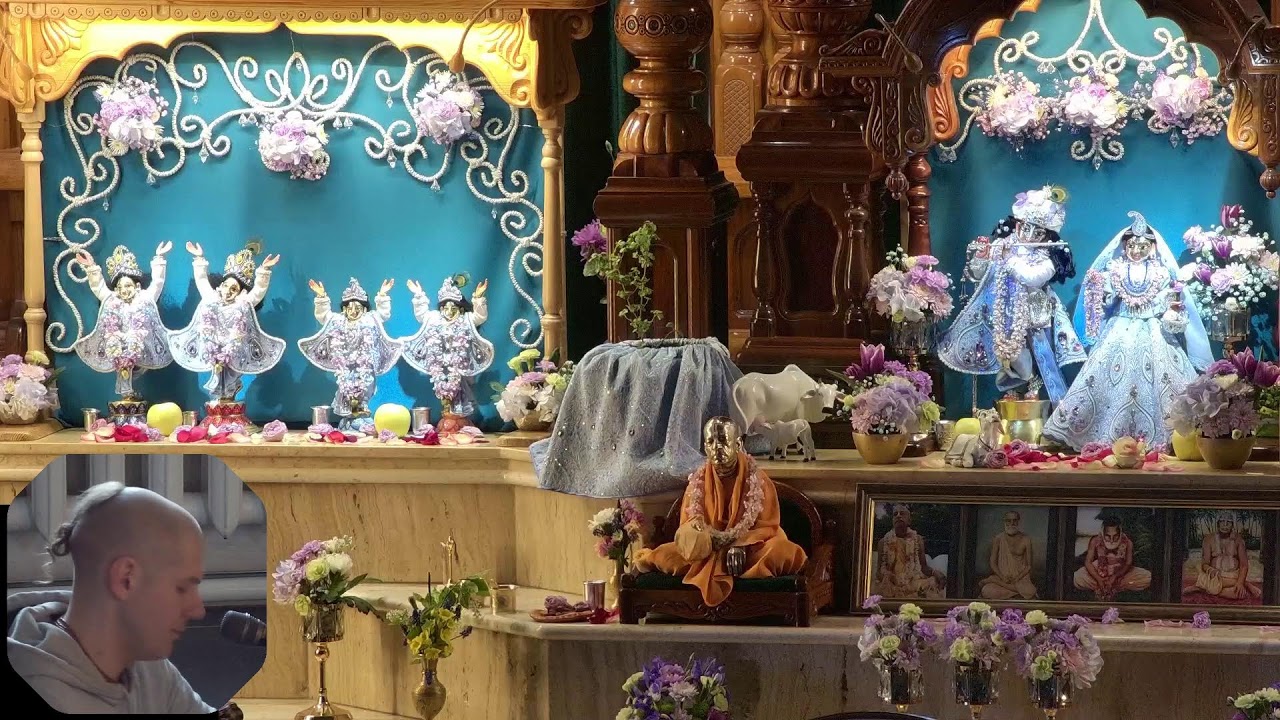
In this continuing lecture on Rupa Goswami’s Nectar of Instruction (Upadesamrita), HH Krishna Kshetra Swami discusses verses 4, 5, and briefly 6. Maharaj explains the six loving exchanges between devotees as the basis of friendship and devotional community. The lecture also describes three levels of devotees and how to offer proper respect according to spiritual advancement. Maharaj highlights the importance of Vaishnava etiquette, humility, and sincere association. Briefly touching on verse 6, Maharaj emphasizes that a devotee should not be judged by external appearance, bodily condition, or social background. This lecture offers practical guidance on relationships, discernment, and respect in bhakti.
With Mandarin interpretation by Rajalaxmi Devi Dasi www.youtube.com/@rajalaxmitkggpp
@ISKCONTaipei ISKCON Taipei, Taiwan.
March 16, 2026
Nectar of Instruction: https://vedabase.io/en/library/noi/
Timestamps:
00:00 – Jaya Radha Madhava & Kirtan: HH Krishna Kshetra Swami leads the traditional opening kirtan.
Section 1: Verse 4 – The Six Symptoms of Love (16:42 - 48:36)
This verse describes the "horizontal" exchanges between devotees that build loving relationships.
16:42 – Introduction to Verse 4 of the Nectar of Instruction.
23:46 – Translation of the six symptoms: Offering and accepting gifts, revealing one's mind and inquiring confidentially, and offering and accepting prasadam.
26:37 – Deep dive into the first pair: Giving and receiving gifts.
31:24 – Deep dive into the second pair: Revealing the mind and inquiring. Discussion on the importance of being open vs. the superficiality of modern interactions.
38:10 – Deep dive into the third pair: Sharing food (prasadam). Includes a sweet story about a "glass jar of gulab jamuns" in the early days of the movement in New York.
Section 2: Verse 5 – Levels of Devotees & Proper Respect (48:37 - 1:16:51)
This verse explains how to recognize and behave toward devotees at different stages of advancement.
48:37 – Introduction to Verse 5.
53:12 – Translation: Developing different attitudes toward the kanistha (neophyte), madhyama (intermediate), and uttama (advanced) devotees.
56:28 – The principle of respecting anyone who chants the Holy Name of Krishna.
1:00:25 – How to offer respects to initiated devotees (madhyama-adhikari).
1:03:13 – How to associate with and serve pure devotees (uttama-adhikari).
1:09:53 – Discussion on "Following vs. Imitating": Why we should follow the footsteps of great souls but not try to imitate their unique behaviors or status.
Section 3: Verse 6 – Seeing Beyond Material Vision (1:16:52 - end)
This verse warns against judging advanced devotees by their physical appearance or material background.
1:16:52 – Introduction and Translation of Verse 6.
1:18:38 – The Ganges Analogy: Just as the Ganges water remains pure despite bubbles or mud, a pure devotee's spiritual nature is not affected by physical disease, deformity, or low birth.
1:22:14 – Modern context: HH Krishna Kshetra Swami discusses the current ecological state of the Yamuna and Ganges, relating environmental care back to spiritual vision.
1:28:40 – Conclusion: The importance of not being a "fault-finder" and cultivating a transcendental perspective.
In this continuing lecture on Rupa Goswami’s Nectar of Instruction (Upadesamrita), HH Krishna Kshetra Swami discusses verses 4, 5, and briefly 6. Maharaj explains the six loving exchanges between devotees as the basis of friendship and devotional community. The lecture also describes three levels of devotees and how to offer proper respect according to spiritual advancement. Maharaj highlights the importance of Vaishnava etiquette, humility, and sincere association. Briefly touching on verse 6, Maharaj emphasizes that a devotee should not be judged by external appearance, bodily condition, or social background. This lecture offers practical guidance on relationships, discernment, and respect in bhakti.
With Mandarin interpretation by Rajalaxmi Devi Dasi www.youtube.com/@rajalaxmitkggpp
@ISKCONTaipei ISKCON Taipei, Taiwan.
March 16, 2026
Nectar of Instruction: https://vedabase.io/en/library/noi/
Timestamps:
00:00 – Jaya Radha Madhava & Kirtan: HH Krishna Kshetra Swami leads the traditional opening kirtan.
Section 1: Verse 4 – The Six Symptoms of Love (16:42 - 48:36)
This verse describes the "horizontal" exchanges between devotees that build loving relationships.
16:42 – Introduction to Verse 4 of the Nectar of Instruction.
23:46 – Translation of the six symptoms: Offering and accepting gifts, revealing one's mind and inquiring confidentially, and offering and accepting prasadam.
26:37 – Deep dive into the first pair: Giving and receiving gifts.
31:24 – Deep dive into the second pair: Revealing the mind and inquiring. Discussion on the importance of being open vs. the superficiality of modern interactions.
38:10 – Deep dive into the third pair: Sharing food (prasadam). Includes a sweet story about a "glass jar of gulab jamuns" in the early days of the movement in New York.
Section 2: Verse 5 – Levels of Devotees & Proper Respect (48:37 - 1:16:51)
This verse explains how to recognize and behave toward devotees at different stages of advancement.
48:37 – Introduction to Verse 5.
53:12 – Translation: Developing different attitudes toward the kanistha (neophyte), madhyama (intermediate), and uttama (advanced) devotees.
56:28 – The principle of respecting anyone who chants the Holy Name of Krishna.
1:00:25 – How to offer respects to initiated devotees (madhyama-adhikari).
1:03:13 – How to associate with and serve pure devotees (uttama-adhikari).
1:09:53 – Discussion on "Following vs. Imitating": Why we should follow the footsteps of great souls but not try to imitate their unique behaviors or status.
Section 3: Verse 6 – Seeing Beyond Material Vision (1:16:52 - end)
This verse warns against judging advanced devotees by their physical appearance or material background.
1:16:52 – Introduction and Translation of Verse 6.
1:18:38 – The Ganges Analogy: Just as the Ganges water remains pure despite bubbles or mud, a pure devotee's spiritual nature is not affected by physical disease, deformity, or low birth.
1:22:14 – Modern context: HH Krishna Kshetra Swami discusses the current ecological state of the Yamuna and Ganges, relating environmental care back to spiritual vision.
1:28:40 – Conclusion: The importance of not being a "fault-finder" and cultivating a transcendental perspective.