 HH Krishna Kshetra Swami
1,3 тис. підписників
·
1,3 тис. відео
HH Krishna Kshetra Swami
1,3 тис. підписників
·
1,3 тис. відео
- 1:35:33
- 48
- 2
- 0
- 17.03.2026
Опис
*Nectar of Instruction: Controlling Speech, Mind, and the Senses in Bhakti*
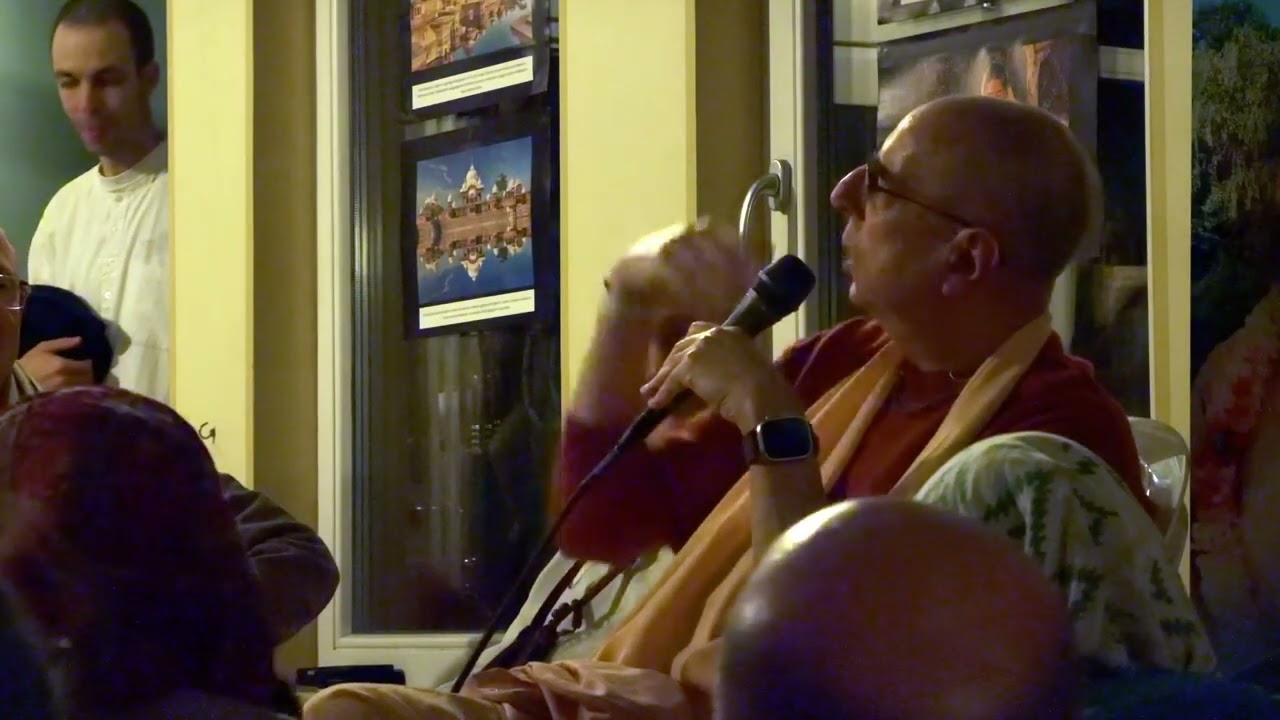
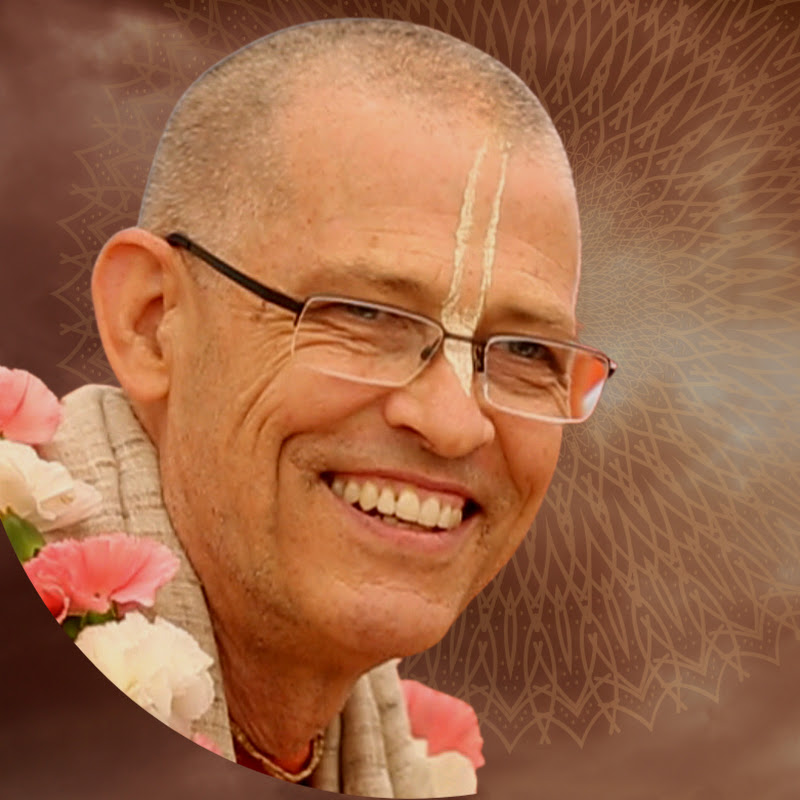
In this lecture, HH Krishna Kshetra Swami presents Rupa Goswami’s Nectar of Instruction (Upadesamrita) as a concise and powerful manual for spiritual advancement in bhakti-yoga. He explains the overall structure of the text and gives special attention to the first verse, which teaches the control of speech, mind, anger, tongue, belly, and genitals.
Krishna Kshetra Swami describes how these urges affect spiritual life and how they can be purified through hearing sastra, cultivating intelligence, developing good habits, keeping sadhu-sanga, and engaging the senses in Krishna’s service. He also answers questions about the relationship between speech and mind, the role of discipline, and how devotional practice gradually transforms one’s inner life.
This talk is a thoughtful introduction to the practical wisdom of Upadesamrita and its relevance for anyone serious about bhakti.
With Mandarin interpretation by Rajalaxmi Devi Dasi www.youtube.com/@UCFUEsCkbRw-kZJvNfdGU5bg
@ISKCONTaipei ISKCON Taipei, Taiwan.
March 13, 2026
Nectar of Instruction: https://vedabase.io/en/library/noi/
Timestamps:
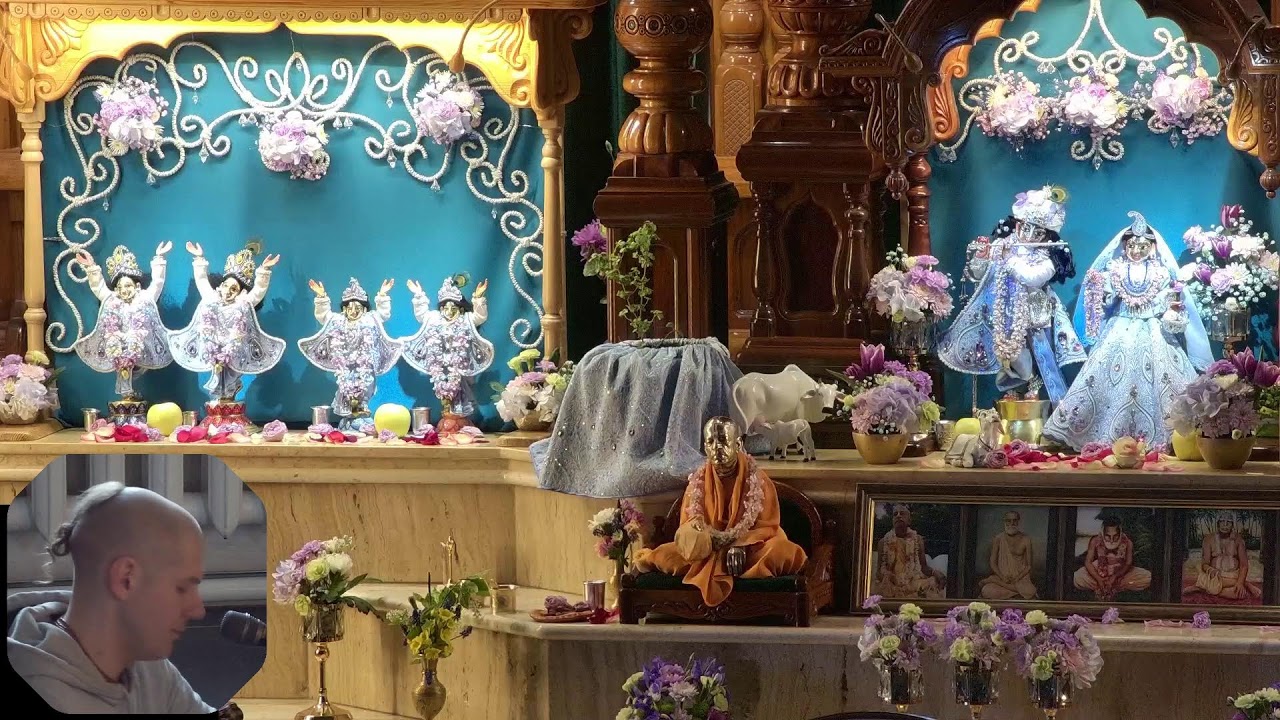
00:00 – Kirtan and Invocation Prayers
11:47 – Introduction to the speaker and the Upadesamrta (Nectar of Instruction)
17:39 – Overview of the 11 verses of Upadesamrta
20:00 – Srila Rupa Goswami’s position and the lineage
24:40 – The genius of Rupa Goswami in summarizing the essence of Bhakti
25:20 – Breakdown of the first eight verses: From basic practice to advanced stages
29:10 – The significance of Radha-kunda in the final verses
34:30 – Historical context: Sanskrit as the "Lingua Franca" of scholars in India
38:54 – Verse 1: Controlling the six urges (Speech, Mind, Anger, Tongue, Belly, and Genitals)
41:50 – Understanding "Veca" (Urges) and the necessity of restraint
44:10 – The qualification of a "Dhira" (Sober/Clearsighted person)
48:50 – The body as a "City of Nine Gates" and the art of guarding them
51:10 – The positive side of tolerance: Engaging senses in the service of Krishna
54:40 – Example of King Ambarisha: Total engagement of senses in Bhakti
58:10 – Q&A: How to control urges that feel beyond rational control?
1:04:10 – The power of habit and neuroplasticity in spiritual practice
1:06:50 – King Kulasekhara's prayers on focusing the mind
1:10:45 – Why controlling speech is mentioned first
1:12:55 – The sequence of sense control: From speech to the mind and beyond
1:17:15 – Hierarchy of consciousness (Senses, Mind, Intelligence, Soul)
1:22:15 – The value of writing and journaling as a spiritual tool (Sadhana)
1:27:10 – Examples of scholarly patience and dedication in writing
1:33:15 – Thinking before speaking: Practical advice for controlling the tongue
In this lecture, HH Krishna Kshetra Swami presents Rupa Goswami’s Nectar of Instruction (Upadesamrita) as a concise and powerful manual for spiritual advancement in bhakti-yoga. He explains the overall structure of the text and gives special attention to the first verse, which teaches the control of speech, mind, anger, tongue, belly, and genitals.
Krishna Kshetra Swami describes how these urges affect spiritual life and how they can be purified through hearing sastra, cultivating intelligence, developing good habits, keeping sadhu-sanga, and engaging the senses in Krishna’s service. He also answers questions about the relationship between speech and mind, the role of discipline, and how devotional practice gradually transforms one’s inner life.
This talk is a thoughtful introduction to the practical wisdom of Upadesamrita and its relevance for anyone serious about bhakti.
With Mandarin interpretation by Rajalaxmi Devi Dasi www.youtube.com/@UCFUEsCkbRw-kZJvNfdGU5bg
@ISKCONTaipei ISKCON Taipei, Taiwan.
March 13, 2026
Nectar of Instruction: https://vedabase.io/en/library/noi/
Timestamps:
00:00 – Kirtan and Invocation Prayers
11:47 – Introduction to the speaker and the Upadesamrta (Nectar of Instruction)
17:39 – Overview of the 11 verses of Upadesamrta
20:00 – Srila Rupa Goswami’s position and the lineage
24:40 – The genius of Rupa Goswami in summarizing the essence of Bhakti
25:20 – Breakdown of the first eight verses: From basic practice to advanced stages
29:10 – The significance of Radha-kunda in the final verses
34:30 – Historical context: Sanskrit as the "Lingua Franca" of scholars in India
38:54 – Verse 1: Controlling the six urges (Speech, Mind, Anger, Tongue, Belly, and Genitals)
41:50 – Understanding "Veca" (Urges) and the necessity of restraint
44:10 – The qualification of a "Dhira" (Sober/Clearsighted person)
48:50 – The body as a "City of Nine Gates" and the art of guarding them
51:10 – The positive side of tolerance: Engaging senses in the service of Krishna
54:40 – Example of King Ambarisha: Total engagement of senses in Bhakti
58:10 – Q&A: How to control urges that feel beyond rational control?
1:04:10 – The power of habit and neuroplasticity in spiritual practice
1:06:50 – King Kulasekhara's prayers on focusing the mind
1:10:45 – Why controlling speech is mentioned first
1:12:55 – The sequence of sense control: From speech to the mind and beyond
1:17:15 – Hierarchy of consciousness (Senses, Mind, Intelligence, Soul)
1:22:15 – The value of writing and journaling as a spiritual tool (Sadhana)
1:27:10 – Examples of scholarly patience and dedication in writing
1:33:15 – Thinking before speaking: Practical advice for controlling the tongue